



Buddha
The image of Buddha. Generalized including Bodhisattva, Rohan, Ming Wang, and so on. Although there are two kinds of statues, sculptures and portraits (pictorial), only sculptures are called Buddha statues, while portraits are called images. In ancient India, it was believed that carving Buddha statues was a blasphemy, so ancient carvings such as Shanqi (Sanskrit ^ nchi ^) only symbolized Buddha with the marks of Buddhism, Bodhi tree, Buddha's footprints, etc. Later, with the rise of Mahayana Buddhism, the sculpture of Buddha began to prevail, so there are many records about the cause of the statue and its merits in the Mahayana classics.

Sleeping Buddha (3D printing)

Buddha

Buddha statue

Sandstone sculpture from the Northern Wei Dynasty titled 'Stone Statue of Buddha Sitting in Four Sided Shrine'
This Chinese cultural relic is a seated Buddha statue in a four sided shrine, made during the Northern Wei Dynasty and carved from sandstone. Unearthed in 1957 in Nanguoshui, Qin County, with severe weathering on the surface, it is collected by the Nanguoshui Stone Carving Museum in Qin County. A total of 4 niches were unearthed, each engraved with 4 Buddha statues.

Buddhist Ksitigarbha Bodhisattva clay sculpture
Ksitigarbha Bodhisattva, a Buddhist bodhisattva name, is a transliteration of the Sanskrit K ṣ itigarbha, transliterated as "Qichadi Lianpo". In the Ten Wheel Sutra of Ksitigarbha, it is said that Ksitigarbha Bodhisattva is "as calm and composed as the earth, and as deep and secret as a secret treasure, hence its name. Ksitigarbha Bodhisattva is an important Bodhisattva in Buddhist tradition, revered as the savior and protector of sentient beings. His full name is Ksitigarbha Bodhisattva, also known as Ksitigarbha Bodhisattva King or Ksitigarbha Bodhisattva King. He is considered the ruler of hell, with the mission of protecting sentient beings and saving the souls. With infinite compassion and wisdom, Ksitigarbha Bodhisattva promises not to retreat from the suffering of sentient beings until they are all liberated from the cycle of suffering.

Shakyamuni Lotus Base Ornament, Great Sun Buddha, Golden Body Buddha Statue

The stone carved Buddha statue on the pagoda is located in Kathmandu, Nepal
The four Buddha statues carved on the pagoda are located in a temple in the Swayambunat complex in Kathmandu, the capital of Nepal, and were built in the 16th century. The architectural complex of Swayambunat includes a pagoda, various temples and shrines, as well as Tibetan monasteries, museums, and libraries.

Amitabha Buddha statue
This statue was originally located in Hancui Village, Hebei Province, northern China. According to the inscription on the pedestal of the statue, it was enshrined for Chongguang Temple in 585 AD. This statue was created by art merchant C T. Loo donated it to the Chinese government, and in 1938, the Chinese government gave it as a gift to the British Museum to commemorate the Chinese art exhibition held in London from 1935 to 1936 This Amitabha Buddha statue is about 6 meters high and is the largest ancient Chinese statue in the West

Popular Models
Honey Badger (3D animated model)
192 View
Guinea fowl (3D animated model)
163 View
Wild Goose (3D animated model)
185 View
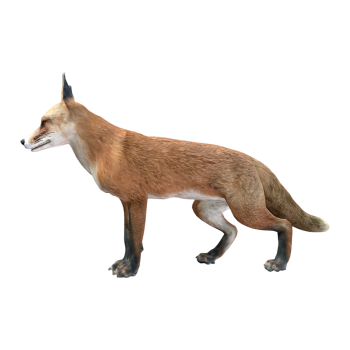
Red Fox (3D animated model)
153 View
Random Model


Cadillac CT5 Sport Car
1170 View

KTM-450 off-road motorcycle
1009 View
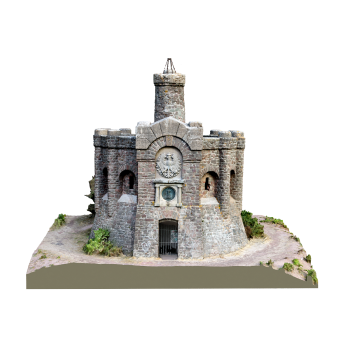
Prussian Tower Monument
918 View

Air Cushion Craft
812 View

Nike Air Force One Yellow sneaker
663 View
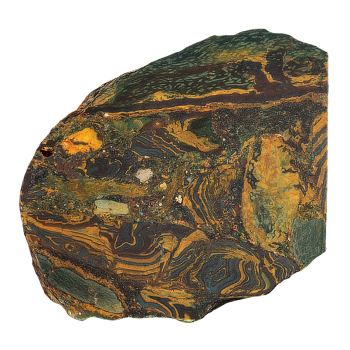
Techereu Jade
948 View